
Training your dog is about more than just teaching commands; it's about building a happy, obedient companion that fits seamlessly into your life. Whether you're just starting or looking to refine your dog's behaviour, obedience training for dogs in Sacramento offers a great opportunity to develop a well-mannered and joyful pet. In this guide, we'll explore expert training methods that not only promote obedience but also strengthen the bond between you and your dog.
The Importance of Building a Strong Foundation
Before diving into specific training techniques, it's essential to understand why building a strong foundation is crucial. A well-trained dog isn't just easier to manage; they are also happier and less stressed. When dogs understand what's expected of them, they can navigate the world with confidence, reducing anxiety and undesirable behaviours.
When starting your dog's training, it's vital to consider How to Choose the Best Dog Trainer: Tips from a Professional Dog Behaviorist. A professional trainer can guide you through the process, ensuring that both you and your dog are on the right track from the beginning. They can also tailor training methods to suit your dog's unique temperament and needs, which is key to long-term success.
- Positive Reinforcement
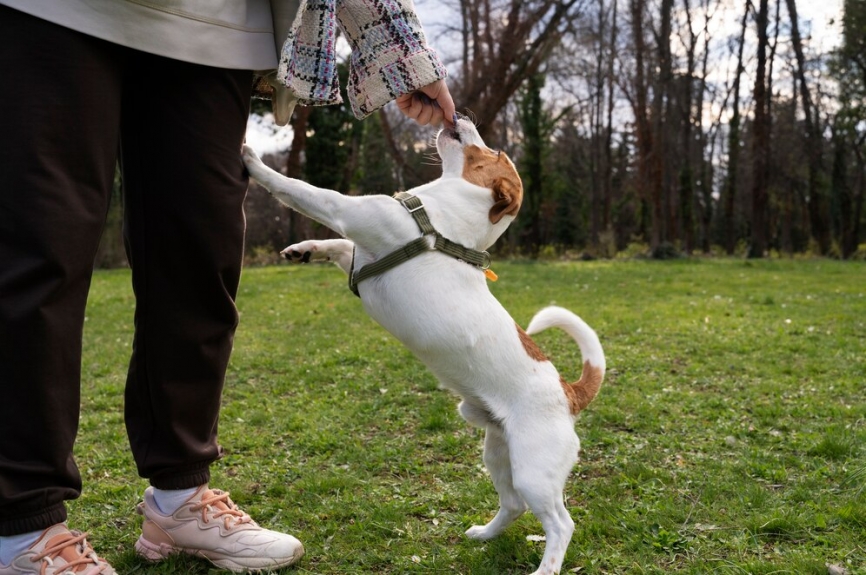
- Reward Good Behaviour: Use treats, praise, or playtime to reward your dog immediately after they exhibit the desired behaviour.
- Create Positive Associations: Ensure that your dog associates the behaviour with something enjoyable.
- Avoid Negative Reinforcement: Focus on rewarding good behaviour rather than punishing bad behaviour.
- Consistency is Key
- Use Consistent Commands: Stick to the same words for commands to avoid confusing your dog.
- Unified Household Rules: Ensure everyone in the household enforces the same rules and expectations.
- Establish Routine: Maintain a consistent training schedule to reinforce learning.
- Short, Engaging Training Sessions
- Keep Sessions Brief: Aim for 5 to 15 minutes per session to match your dog's attention span.
- Incorporate Play: Mix training with playtime to keep your dog motivated and engaged.
- Frequent Sessions: Conduct multiple short sessions throughout the day rather than one long session.
- Socialization and Exposure
- Gradual Exposure: Introduce your dog to various environments, people, and animals gradually.
- Positive Reinforcement: Reward your dog for calm behaviour during new experiences.
- Controlled Interactions: Ensure initial interactions are controlled to prevent overwhelming your dog.
- Leash Training
- Introduce Gradually: Allow your dog to get used to wearing a collar and leash indoors first.
- Practice Loose Leash Walking: Stop walking if your dog pulls and resume only when they return to your side.
- Reward Calm Walking: Give treats when your dog walks calmly beside you on a leash.
- Crate Training
- Create a Positive Space: Make the crate a comfortable and positive environment with treats and toys.
- Gradual Acclimation: Start with short periods and gradually increase the time your dog spends in the crate.
- Avoid Punishment: Never use the crate as a punishment; it should be a haven for your dog.
- Addressing Behavioral Issues
- Identify Root Causes: Determine why your dog is exhibiting unwanted behaviours, such as boredom or anxiety.
- Redirection Techniques: Use redirection to guide your dog away from undesirable behaviours towards positive actions.
- Seek Professional Help: Consider consulting a behaviourist for persistent or severe behavioural issues.
Additional Tips
- Keep a Training Journal: Track progress and note what works and what doesn't to adjust your approach as needed.
- Monitor Your Dog's Health: Ensure that health issues are not contributing to behavioural problems; consult a vet if needed.
- Stay Patient and Positive: Training takes time, and maintaining a positive attitude helps create a supportive learning environment for your dog.
The Role of Professional Guidance
While it's possible to train your dog on your own, professional guidance can make the process smoother and more effective. A professional dog trainer or behaviourist can provide valuable insights and techniques that are tailored to your dog's specific needs. They can also help you avoid common mistakes that can hinder your dog's progress.
In conclusion, building a happy, obedient dog is a journey that requires time, patience, and the right techniques. By focusing on positive reinforcement, consistency, and proper socialisation, you can help your dog become a well-behaved and joyful member of your family. Remember, training is not just about obedience; it's about creating a strong bond with your dog and ensuring they lead a happy, fulfilling life.


